Hipster logos have been the rage these days. Here’s how to have one: 
Month: July 2013
-
How to Create a Hipster Logo
-
What’s My Motivation? How to Reward Your Team
Understanding how to motivate people is key in any business and specially in non-profits. Early in life I thought most people were motivated by cash. After all happiness comes with more stuff, right? Well, that’s not been my experience. While most of us want to live well, most people I know would give money for the satisfaction of doing something they love. While I still have a long way to go in becoming a better manager of people, here’s a few things I’ve learned over the years.

Praise publicly, criticize privately. There’s nothing more encouraging to a team member than the praise of a superior in a public setting. The opposite, however, is true for criticism. Over the years I have made the mistake of inverting this equation with dire consequences.
Take a chance. Everyone wants to have an impact in their work environment. One of the most motivational things you can do as a team leader is to take a chance on an idea or project by someone who works for you. This type of affirmation means more to some than money.
Be creative. Maybe cash is tight and you can’t offer perks than your competitor but you can create a dynamic work environment where people thrive. Managers have seem to think that throwing cash at a problem is the only way to solve it. it seldom is. People want to contribute, make a difference and belong to a winning team that’s accomplishment something positive.
Unless you understand what people value the most, you cannot properly reward someone. For some is to hear words of affirmation, others is the ability to take more ownership or implement of an idea, and, yes, to some it’s a raise.
Beyond a raise, how do you want to be rewarded?
-
The Art of Saying Goodbye: Leaving Without Regrets
When I left Brazil for the life I now have I didn’t leave well. In wanting to hold on to my fond memories, I decided not to say goodbye to anyone. After all, what would a “high dose of sentimentality accomplish anyway,” I reasoned. So I walked out of the only life I had ever known without much ado. It’s been decades since that time. I have never stop regretting it.

There’s an art to saying goodbye. Whether you’re walking away from a job, a relationship or moving away, there are a few things you should consider. I wish I had thought about them long ago:
Celebrate the good times. Even if leaving was not your idea, or you’re finally able to walk away from a bad situation, or you’ve had enough from your jerk of a boss, take inventory and celebrate what you can. Most relationship, (and yes, work is filled with relationships) have taught you life-lessons that you should be thankful for. Catalog them in your mind, share them with those you’re partying ways. They’ll never forget it; you’ll never regret it.
Be gracious. I didn’t want people to make a big deal of my leaving. I though I was doing them a favor. As it turned out, I deprived my friends of a kindness they wanted to bestow on me. I stopped them from blessing me and in turn being blessed themselves. As uncomfortable that it might be for you, allow those who care and love you to express their love and affection as you transition. Being gracious means accepting someone’s gift of kindness without reservation. Let them say goodbye.
Don’t burn bridges. Fight the urge to let them know how you really feel. There will be other opportunities in the future for that conversation. But as you part ways, try to walk away quietly, gently and with integrity. Leaving a relationship, a job or a group is already an emotionally-charged experience by nature. Don’t let those emotions rob you of a future reconciliation or restoration. I have yet to talk with someone who said “I wish I had give them a piece of my mind when I left.” Most people regret saying too much and not forgiving enough.
What have you learned when saying goodbye?
-
Selfishness: a Team Killer
Some call it self preservation. I call it selfishness. As a consultant I see selfishness and a lack of respect for the team that happens in most organizations, including in ministry. But this less-than-ideal motivation is often masked as an altruistic quality by its offender. Here are few examples of how people hide their selfishness in business settings.

The Exaggerator. He makes the problem bigger and more dire than it really is so he can assure his request gets funded. His new computer is way more important than anyone else’s. In my experience, people in IT have the corner on this one. Throw in a few jargon words like API, SAS followed by “security breach” and the boss is asking how soon he can have that computer set up.
The Diva. Everyone knows that if she doesn’t get her way, there’s going to be a meltdown soon. The Diva’s project, opinion and importance are always paramount. She gets offended easily and when challenged, outrage is sure to follow. “What do you mean, you disagree? Do you know how much experience I have in this field? Let me tell you . . . ”
The Drama Queen. Everything is about him. Yes, you don’t have to be a woman to be a drama queen; it’s gender-neutral. And, no, drama king doesn’t work. If a coworker is having a tough day, then the drama queen’s world becomes chaotic with extra stress over the situation. No matter what happens at the office, the drama queen will find a way to make it about herself. “Did you hear that Bob in accounting got fired?” “Bob? Why does everyone I care about leaves me?”
What other form of disguised selfishness have you encountered in the work force?
-
In Marketing Effectiveness Trumps Relevance
There is a lot of buzz about being relevant. Given the chance, I take being effective over relevant any day.
The most basic tenet of any marketer is to connect the message to its intended audience.
It’s that easy. It’s not that simple.
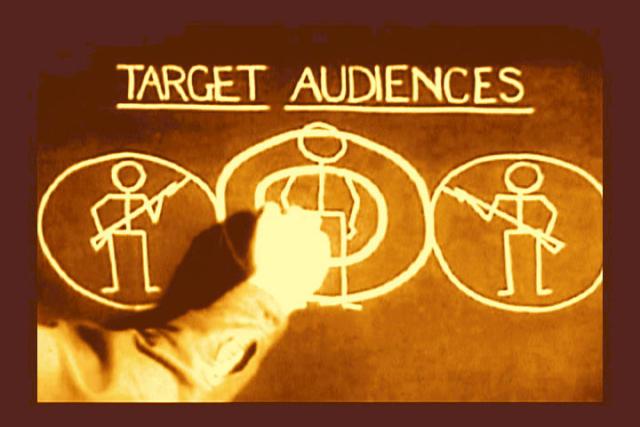
My team at The A Group is currently working on a campaign targeting legacy donors: they have large-gift potential, are motivated by leaving a legacy behind, and are between 65 and 85 years old. A social media campaign is not going to reach them. Most likely, an email campaign will not do much better either. Traditionally, the “Builder” generation responds well to direct mail campaign with multiple pieces and telemarketing ( I can’t believe I just wrote down “telemarketing” but I did).
I know that creating a new app would be a lot cooler than trying to print and stuff direct mail. Creating a dynamic microsite with viral videos and downloads is a lot sexier and fun than coordinating a telemarketing follow up, but they would simply not communicate with that target audience.
Too many marketing teams in agencies, churches, ministries and businesses make costly strategic mistakes because they lose track of the bottom line. For the sake of cultural relevance (“culture” as defined by the majority of the age group on the team, that is), they become ineffective to an entire audience.
Marketers are not hired to be relevant. We are hired to be effective and to deliver quantifiable results in the form of sales, visitors, and traffic.
If we can look cool while delivering the goods, than that’s a bonus. I’ve seen agencies win marketing awards for failed campaigns. While creative directors and designers celebrate their trophies, the client laments a lot of wasted money.
Are you communicating well with all the audiences you serve?