Month: August 2014

  • If You Tweet It, They Will Come OR Branding, Buzz, And Getting People In

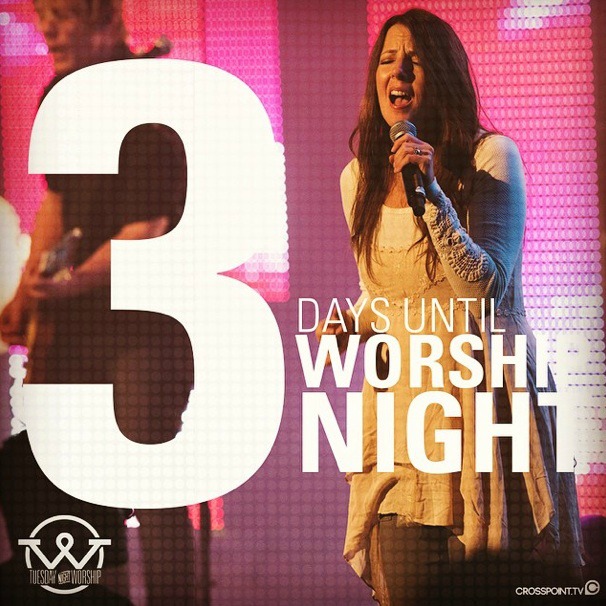
    CrossPoint Church Worship Night Nashville

    Social media works. Period.

    Savvy churches are now using social media to fund raise, organize events, and bring people to Christ.

    The old adage that dictated that the pastor of a church had to use the stage for all formal announcements is over. Churches and their communities are plugged in. Communication 101: reach people where they are. And for a large demographic in today’s world that most likely means via social media.

    Cross Point Church here in Nashville held an overwhelmingly successful night of praise this week that was completely announced via social media and an impressive 1,500 people showed up to the event. No emails, no church bulletins, no announcements were made. This was pure buzz generated solely via social media. Using powerful imagery and graphics and promoting the event with the hashtags #WorshipNight #OneNightOneVoice, Cross Point built up excitement. By posting on Twitter, Facebook and Instagram, they spread their message efficiently and effectively.

    Some may argue that social media causes people to feel isolated, but it can also be used by the Church to listen, lift up and love on their communities. By effectively leveraging social media, the Church can build community and engage with people who normally resist setting foot on a church campus, but who are open to watching a live worship cast on their iPad.

    Social media is just that – social. It is possible to build meaningful online relationships that lead to meaningful IRL relationships. Millennials especially want that digital connection.

    Churches can no longer ignore the power of social media engagement. How is your church adapting to the digital age?

  • Marketing and Technology Come Together: MarTech Conference

    When I started The A Group more than 12 years ago, I had no idea I was giving life to a new type of business: martech.  We developed in-house technology to make sure our marketing efforts worked and were simple to use. We knew marketing could not live without technology. It was true a decade ago, and even more so now. Not only digital natives demand it, we all do. We browse online, on our mobile devices but often purchase at a physical store. We want the same information on our desktop computer, tablet and phone whenever, wherever. We measure our tolerance to wait for information in mere seconds. Today’s consumer has an attention span of less than 6 seconds.

    martech conference, marketing and technology, Boston,

    Last week I attended the first Martech Conference in Boston. The Martech Conference was an integrated conversation of marketing, technology, trends and best practices led by experts, often titled Chief Marketing Technologists (a position that didn’t exist a few years ago).  There was a lot of good information and networking, but here are some of the thoughts that resonated with me:

    • We are in the age of the consumer and brand expectations have never been as high.
    • The new digital marketing tools allow marketers to quantify results and make course adjustments.  I once heard someone refer to “marketing voodoo” as a reason not to invest in a campaign. Now we can tie dollar-per-dollar from marketing strategies direct to results.
    • Customization is no longer an option. Consumers now expect you to anticipate their needs and customize their next experience. They expect you know what they want to see next time they log in your website. New intelligence allows a completely individualized online experience.
    • Data is key to customization and brands, small and big, need to learn how to tap into “big data” in order to deliver the experience consumers expect. That’s no longer an option.
    • Omnisource. We want our shopping, church, learning, and even dating experiences to follow us on all of our devices seamlessly.
    • Video is still king online. Nothing brings more conversions than video on landing pages.
    • Marketing budgets are surpassing IT budgets.
    • Marketing technologists have to understand and work on marketing strategy, software integration and IT support to make their companies viable.

    How have you experienced the collision of marketing and technology?


  • How I Became a Safe Person

    I don’t know when it started, but one day I became a safe person to those around me. Perhaps it’s been part of my own internal make up or perhaps I developed the skills and the temperament it takes to be the kind of a person people around me find “safe.” It’s not unusual for someone I barely know to share something deeply personal and important with me. While I’m honored and humbled, I remember the days where the opposite was true. People would tell me I came across unapproachable and intimidating. So what changed? Obviously I did, and while I might not have enough self awareness to understand the complete metamorphosis process, here’s part of my personal journey that changed me.

    Trust safe person

    I embraced grace for myself and for those around me. In my early twenties my life was a series of black and white pictures. Grace helped me soften the landscape with shades of gray. Once I embraced the grace God has freely given me, I was able to be more gracious to those around me. I could not be a safe person without that understanding. Thinking about it now, I might even call it “shades of grace.”

    Failure humbled me. Early in my career I thought I was invincible and to a great degree inerrant. And it was until my late 30’s before I could point out to something I could deem a big failure. I couldn’t take the heat in the career I felt called to and gifted for, so I quit. I walked away. I failed.  There’s nothing that gives me more compassion for those who fail than remembering how it felt to come to grips with the fact that my dream was no longer going to happen the way I had planned. It was not going to happen at all.

    Age gives me perspective. Age cannot give you wisdom. I’m convinced of that. Time, however, gives you perspective. As I listen to those in the middle of a storm, I can often relate to the feelings of fear and panic that often paralyze us during those situations. I’ve been through them–quite a few of them. Knowing that storms are always temporary no matter how threatening, helps me to listen, comfort and walk with my friends through their own turbulent times.

    In which other ways can we become a safe person to those around us?