In marketing, as in life, just because it’s new and popular, it does not mean you should do it. One of the latest trends in consumer marketing has been the use of QR Codes (short for Quick Response Code). The two-dimensional matrix was first created by the automotive industry but has now become popular with marketers. But even a great tool in the wrong application is too often ineffective.
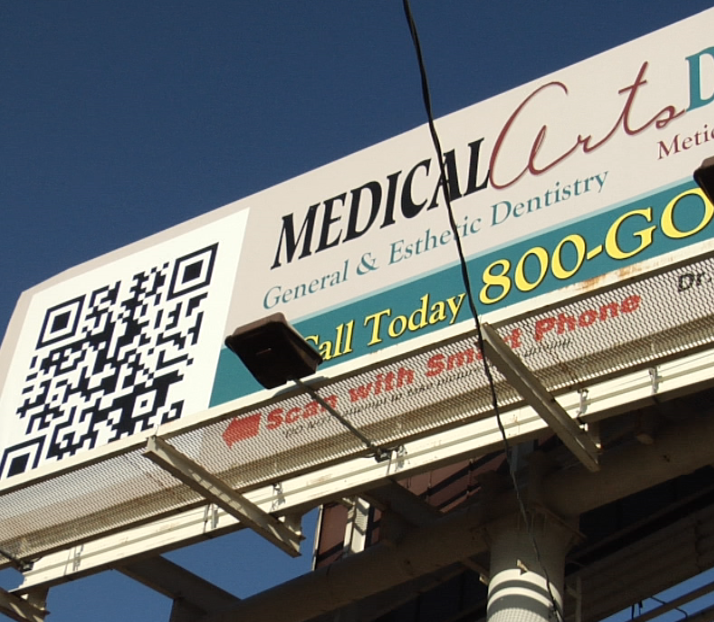
These codes are effective because they can hold a lot of information and are able to directly link smartphones to mobile-friendly websites where consumers can interact with a product or brand in a media and commerce-rich environment. My company, The A Group, has been successfully using QR Codes in marketing campaigns for a long time. While I am an early adopter of tools that might give our clients a better chance to communicate with their audience, I’m careful not to do something for the sake of being avant-garde. Pioneering technology doesn’t necessarily translate into being effective. Often, “cutting edge” means spending more, making mistakes, and paving the way for those who follow. That’s when the cutting edge becomes the bleeding edge.
A QR Code on an interstate highway is not only a waste of money, it’s downright dangerous and potentially illegal. Can you imagine trying to scan a billboard with your phone at 70 miles per hour?
Before you get enamored with the latest tool, gadget, or strategy (Not every organization needs an app; but that’s the subject of another post.), ask yourself these questions:
Who is my target audience? Understanding your audience is critical in deciding which tools to use to reach them. If I’m reaching senior adults, direct mail might still be my best option. One of our clients gets an impressive 40% return on their mailers because of its aging demographics.
Does it remove barriers? Effective marketing finds the most dynamic way to connect the target audience with a desired outcome. I saw a church bulletin with 10 QR Codes on its pages. Each code landed on the church’s website with the same information on it. Only one of them took me to an online sign-up page where I could register for an event. The church needed only one code. After scanning the first, most people would never scan another. “Oh, it only gives me the same information,” we all would reason.
Does it ad value to the consumer? The best tools, apps, and campaigns find a way to give consumers something of value and in doing so give them a reason to engage and to pass the information forward. I bought a nutritional supplement which came with a QR Code that took me to a mobile-friendly site on how to use it for optimum results. The site featured video testimonials of fitness experts. I was able to scroll through different body types and find the one that I was most interested in pursuing and was able to watch the expert tell me about his exercise and nutritional program.
